ePromos Promotional Products, Inc. Logo and Top 100 Promotional Products ePromos Promotional Products, Inc. Logo and Top 100 Promotional Products Register Today CouponePromos Promotional Products, Inc. Logo and Top 100 Promotional Products
ePromos Account Login Create a Promotional Items Wishlist Create an Account with ePromos Promotional Products


ePromos Promotional Products, Inc. 800-LOGO-216
 
education Advertising: Ingredients of Customer Loyalty

< back to topic index

When customers say they are satisfied, the business must be healthy and growing. When you increase your customer satisfaction ratings, the business is surely becoming more profitable. Right?

Not necessarily, according to marketing experts who have studied customer retention. In fact, high customer satisfaction does not always correlate with repeat purchases and therefore with healthy profits. Someone who had no complaints about a purchase from you and may even have called themselves "delighted" with your product or service can still abandon you in favor of a competitor the next time around.

If you're interested in growing your business, inspiring high customer satisfaction ratings doesn't get the job done. You must take additional steps to produce the conditions for devoted customers, who won't defect at the first sign of a better price elsewhere. Loyal customers not only stick around themselves, they refer others to you, tend to buy more and require less marketing expenditures than new customers.

Customer retention experts point out that it costs five times as much to acquire a new customer as to keep a customer you've sold to before. Yet most companies, not understanding this or preferring the more visible, more glamorous activities involved in landing new customers, go all out to get new accounts and ignore those diamonds in their backyard that they have already gathered. Consider letting your competitors chase after new business while you spend your resources keeping those you have -- and then you can gloat quietly all the way to the bank.


Customer loyalty arises from these ingredients:

1. Looking deeper than market share. Focusing on maximizing your company's percentage of the industry's total sales is short-sighted, because the most efficient method of building market share is cutting prices. However, acquiring customers through a special pricing deal means they'll be vulnerable to price-cutting appeals from your competitors. The alternative to expensive, high customer churn lies in providing valuable solutions for customers, exceeding expectations and creating other positive reasons to stick with you.

2. Building brand equity rather than selling a commodity. Remember the cigarette that said its smokers "would rather fight than switch"? Transfer funds from promotional drives that put your company on a par with others to investing in branding that sets your firm apart. You'll find it's money well spent. When customers perceive unique strengths, distinctive qualities and a memorable identity in your business, they're less likely to switch.

Jake
Recommends
self-stick pads,
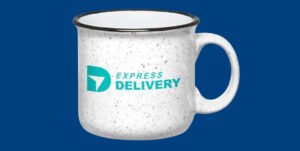
insulated mugs

3. Concentrating on turning first-time buyers into second- and third-time buyers and then into raving fans. A simple gesture like sending a thank-you note after the first purchase does wonders. Customers love personal attention! Physicians have boosted customer loyalty by sending after-visit letters setting forth their medical recommendations, and periodic customer newsletters with wellness information. (As a side effect, such gestures also create a climate with fewer lawsuits.) Unexpected extra services or products make a big difference too. In some areas, auto repair places keep customers coming back through loaner cars because competitors don't care to offer them. Amazon.com, the online bookstore, delights patrons not only with unparalleled selection but also with branded self-stick pads and hot mugs included unannounced in some orders.

4. Cultivating fans who haven't themselves bought from you but eagerly spread the word on your behalf. Absolut Vodka's long-running advertising campaign has inspired numerous non-vodka drinkers to collect the ads and become evangelizers for the brand. Bookstores and computer stores that run free educational events earn valuable word of mouth publicity, even when everyone who attends doesn't buy. On the Internet, companies from travel agencies to hobby supply manufacturers profit by creating a forum where enthusiasts can congregate and exchange tips and experiences. Other companies publish free e-mail newsletters containing worthwhile information, with many subscribers converting to buyers over time.

5. Confronting complaints constructively and thoroughly. If you don't receive complaints, you can still be certain some customers are silently fuming. In fact, about 96 percent of dissatisfied customers never tell the company how they feel -- yet they each voice their complaint to an average of nine other people. Nevertheless, if customers' complaints are handled well by the company, about 90 percent do stay with the company after all. Thus it's key not only to satisfy customers who take the trouble to complain but also to actively invite feedback. Provide a suggestion box or make mail-back comment cards available.

6. Pursuing lost customers. Companies that routinely purge inactive customers from further contacts are discarding a highly profitable source of future business. According to Terry Vavra, president of Marketing Metrics, response rates to lost-customer survey usually average 35 to 50 percent. Not only will they tell you what caused them to stop buying -- which allows you to rectify problems in your operation -- many of these will soon start buying again, because you've showed you care about their experience. Considering that one loyal customer spends about $50,000 at a supermarket in the course of a decade and about $150,000 at a car dealer over a lifetime, you really can't afford to let these people go!

Boston-based marketing and publicity consultant Marcia Yudkin helps business owners around the world creatively spread the word about their offerings. She's also a syndicated columnist through ParadigmTSA, a public radio commentator and the author of nine books, including Six Steps to Free Publicity and Persuading on Paper. In addition, Marcia Yudkin delivers eye-opening, content-rich, motivating seminars on publicity and marketing to business and professional groups nationwide.

Read more about keeping customers.
Read about understanding customers.
Read about brand equity.

Copyright 1999 Marcia Yudkin and ePromos. All rights reserved.